
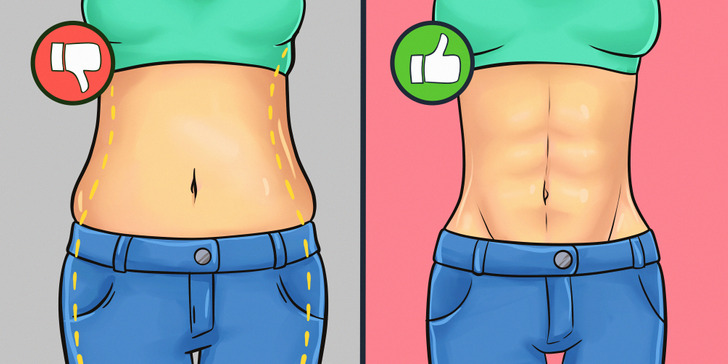
The short answer is yes, it is technically possible to lose belly fat without structured exercise, but it is significantly more challenging, less efficient, and often less sustainable or healthy in the long run. To understand why, we must delve into the physiology of fat loss, the unique nature of belly fat, and the multifaceted roles exercise plays.
1. The Core Principle: Energy Balance is Non-Negotiable
Fat loss, anywhere on the body, occurs when you sustain a calorie deficit—consuming fewer calories than your body expends. This is the fundamental law of thermodynamics. Therefore, if you can create a consistent calorie deficit solely through diet, you will lose body fat, including abdominal fat.
How to do it without exercise:
Precise Calorie Tracking: Using apps and food scales to monitor intake meticulously.
Dietary Restriction: Methods like intermittent fasting, low-carb, or simply portion control.
Food Choice Optimization: Prioritizing high-satiety, nutrient-dense, lower-calorie foods (lean proteins, vegetables, fiber) to feel fuller on fewer calories.
2. The Nature of Belly Fat: Not All Fat is Created Equal
Belly fat is primarily two types:
Subcutaneous Fat: The pinchable layer under the skin. It's metabolically less active.
Visceral Fat: The deeper fat that surrounds your internal organs. This is metabolically very active, releasing inflammatory cytokines and free fatty acids into the portal vein, directly affecting liver function, insulin resistance, and heart disease risk.
The Crucial Point: Visceral fat is often more responsive to dietary changes than subcutaneous fat. It tends to mobilize (break down) more readily when in a calorie deficit. So, early in a diet-only approach, you may see a reduction in visceral fat and a slimmer waistline. However, losing deeper fat layers without exercise often means you're also losing valuable muscle mass.
3. The Critical Role of Exercise (And What You Miss Without It)
Losing fat without exercise is like trying to build a house with only half the tools. You might manage, but the structure will be weaker. Here’s what you forfeit:
A. Muscle Mass Preservation:
In a calorie deficit without exercise, a significant portion of weight lost comes from lean muscle mass (up to 30% or more).
Muscle is metabolically expensive tissue—it burns calories at rest. Losing muscle lowers your Basal Metabolic Rate (BMR), making it progressively harder to maintain a deficit and easier to regain fat later (the "yo-yo" effect).
Result: You become "skinny fat"—smaller but with a higher body fat percentage and less definition.
B. The Afterburn Effect (EPOC - Excess Post-Exercise Oxygen Consumption):
Intense exercise, especially strength training and HIIT, elevates your metabolism for hours—even up to 48 hours—after the workout. You burn extra calories while resting.
Without exercise, you rely solely on your baseline metabolism, which may even decrease due to muscle loss.
C. Targeted Metabolic and Hormonal Benefits:
Exercise, especially strength training, improves insulin sensitivity. This is critical for belly fat loss, as high insulin levels promote fat storage, particularly in the abdomen.
It helps regulate cortisol (the stress hormone). Chronic elevated cortisol is linked to increased visceral fat storage.
It boosts hormones like growth hormone and testosterone, which aid in fat metabolism and muscle preservation.
D. The "Spot Reduction" Myth and the Exercise Loophole:
You cannot target fat loss from just the belly. However, exercise can preferentially reduce visceral fat. Studies show aerobic exercise is particularly effective at burning deep abdominal fat.
While you can't "spot reduce," you can "spot develop" through resistance training. Building the abdominal muscles (rectus abdominis, obliques, transverse abdominis) improves posture, provides structural support, and as these muscles hypertrophy, they create a tighter, firmer appearance under the remaining fat layer.
E. Appetite Regulation and Behavioral Benefits:
Moderate to high-intensity exercise can act as a mild appetite suppressant in the short term (through hormone regulation) and improve satiety signals.
It provides a psychological boost, reduces stress (and stress-eating), and builds a discipline that often translates to better dietary choices.
4. The Practical Realities and Risks of a "No-Exercise" Approach
The Plateau is Inevitable and Sooner: As you lose weight, your BMR drops. Without exercise to preserve muscle and boost metabolism, the calorie deficit you started with will eventually become your new maintenance, halting progress. You'll then have to restrict calories even further, which is unsustainable.
Nutritional Perfection is Required: The margin for error is slim. You have no "calorie burn buffer" from exercise. Every calorie consumed counts immensely, making social events, holidays, and dietary slips major setbacks.
Health vs. Scale Weight: The number on the scale may drop, but your body composition may worsen. Key health markers (muscle mass, bone density, cardiovascular fitness, metabolic rate) will decline. You risk osteopenia, sarcopenia (age-related muscle loss), and reduced functional strength.
Loose Skin: Rapid weight loss without muscle building underneath can lead to more pronounced loose skin. Filling out the skin with muscle provides a toned appearance.
The Verdict and a Balanced Recommendation
Yes, you can initiate belly fat loss without exercise through rigorous dietary control. You will likely see initial results, especially in dangerous visceral fat.
However, it is a suboptimal, inefficient, and potentially unhealthy long-term strategy. You are fighting your own metabolism, losing the very tissue that makes fat loss easier, and missing out on profound cardiovascular, metabolic, and mental health benefits.
The Synergistic Solution: The 80/20 Rule of Fat Loss
For sustainable, healthy belly fat reduction and overall well-being:
Diet is for Creating the Deficit (~80% of the effort): Focus on a sustainable, nutrient-rich, calorie-controlled diet. Prioritize protein (>0.7g per lb of body weight) to preserve muscle. This is your foundation.
Exercise is for Shaping the Outcome and Preserving Health (~20% of the effort, 80% of the composition benefit):
Strength Training (2-3x/week): The single most important exercise for body composition. It preserves and builds muscle, elevates metabolism long-term, and improves insulin sensitivity.
Aerobic Exercise (150+ mins/week of moderate activity): Excellent for burning calories, improving heart health, and specifically targeting visceral fat.
NEAT (Non-Exercise Activity Thermogenesis): The most underrated tool. Walk more, take the stairs, garden, fidget. This can burn hundreds of extra calories daily without "exercising."
Conclusion: While the path of diet-alone for belly fat loss exists, it is a narrow, steep, and fragile path. Integrating strategic exercise—not necessarily hours in the gym, but consistent, intelligent movement—widens that path into a sustainable highway. It transforms the journey from mere weight loss to true body recomposition: losing fat while preserving or building muscle, leading to a healthier, stronger, and more resilient body, inside and out.