
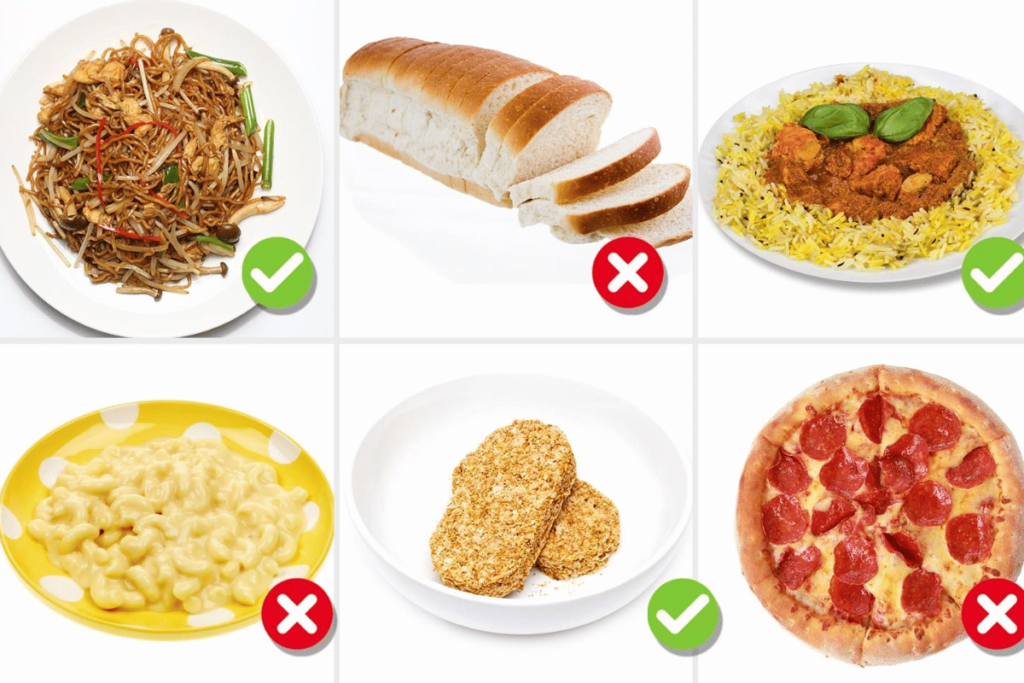
The Complex Truth About Foods and Belly Fat
First, it's important to understand that the concept of "one food to avoid" for belly fat is an oversimplification of human metabolism and nutrition science. Belly fat accumulation results from a complex interplay of overall calorie balance, hormonal responses, genetics, sleep, stress, and lifestyle factors—not singular "villain" foods.
However, if we're examining which category of food has the strongest and most consistent research linking it to visceral fat accumulation (the dangerous fat around organs in your abdominal cavity), the evidence points most strongly to:
Sugar-Sweetened Beverages
Here’s the deep, detailed explanation of why this category stands out:
1. Liquid Calories and Satiety
Sugar-sweetened beverages (sodas, sweet teas, energy drinks, sugary coffee beverages) provide calories in liquid form that don't trigger the same satiety signals as solid food. Research shows people don't naturally compensate for liquid calories by eating less later, leading to passive overconsumption.
2. Fructose Metabolism and Visceral Fat
Many sugary drinks are sweetened with high-fructose corn syrup or sucrose (which is 50% fructose). Unlike glucose, which is metabolized throughout the body, fructose is primarily processed in the liver. When consumed in excess—especially in liquid form without fiber—it can:
Be converted directly to fat in the liver (de novo lipogenesis)
Increase visceral fat storage specifically
Contribute to insulin resistance, which promotes abdominal fat accumulation
3. Insulin Response and Fat Storage
The rapid spike in blood sugar from sugary drinks causes a corresponding insulin spike. Insulin is a fat-storage hormone that particularly promotes storage in the abdominal area. Chronically high insulin levels can lead to insulin resistance, creating a vicious cycle that favors belly fat storage.
4. Research Evidence
A 2016 systematic review in Obesity found sugar-sweetened beverage consumption was consistently associated with increased visceral adipose tissue.
The Framingham Heart Study found that daily soda drinkers had a 30% greater increase in visceral fat over 6 years compared to non-drinkers.
Intervention studies show reducing sugary beverage intake leads to significant reductions in visceral fat, even without other lifestyle changes.
5. Psychological and Behavioral Factors
Sugary drinks often accompany other poor dietary choices and can create addictive-like responses due to dopamine release, leading to habitual consumption patterns that support weight gain.
Important Nuances and Context
It's Not Just About Sugar
While sugary beverages are particularly problematic, other factors contribute significantly to belly fat:
Ultra-processed foods: These are engineered to override satiety signals and promote overconsumption.
Excessive alcohol: Especially beer and mixed drinks ("beer belly" has some scientific basis due to alcohol's effect on fat metabolism and cortisol).
Refined carbohydrates: White bread, pastries, and other low-fiber carbs can affect insulin similarly to sugars.
Trans fats: While largely phased out, they were shown to promote abdominal fat gain and redistribute fat to the belly.
Individual Variation Matters
Genetics influence where you store fat
Men tend to store more visceral fat than women (pre-menopause)
Stress increases cortisol, which promotes abdominal fat storage
Poor sleep disrupts appetite hormones (leptin and ghrelin)
The Bigger Picture: Overall Dietary Pattern
Focusing on a single food misses the forest for the trees. The most effective approach is:
Overall calorie balance (consuming more than you expend leads to fat storage)
Diet quality (Mediterranean-style diets consistently show benefits for reducing visceral fat)
Regular physical activity (especially combined aerobic and resistance training)
Adequate sleep and stress management
Practical Recommendation
Rather than fixating on eliminating one food, consider these evidence-based strategies:
Replace sugary beverages with water, unsweetened tea, or sparkling water
Focus on whole, minimally processed foods with plenty of fiber
Include protein with each meal to enhance satiety
Incorporate healthy fats (avocado, nuts, olive oil) which don't spike insulin
Be mindful of portion sizes, even with healthy foods
Combine dietary changes with regular exercise and stress reduction
The search for a single "avoid this" food is appealing but misleading. Belly fat reduction comes from sustainable lifestyle changes, not avoidance of singular dietary villains. However, if you're looking for the most impactful single change with the strongest scientific backing for reducing visceral fat, eliminating sugar-sweetened beverages would be it.